Understanding the psychological triggers behind casino gambling behavior
Understanding the psychological triggers behind casino gambling behavior
The allure of unpredictability
The thrill of gambling often stems from the unpredictability associated with games of chance. This unpredictability creates an adrenaline rush that can be highly addictive. Players may experience heightened emotions when they place bets, leading to a state of excitement as they await the outcome. This emotional rollercoaster can reinforce gambling behavior, as individuals often seek that rush time and again. In this context, exploring options like non gamstop casino can sometimes appeal to those looking for varied experiences.
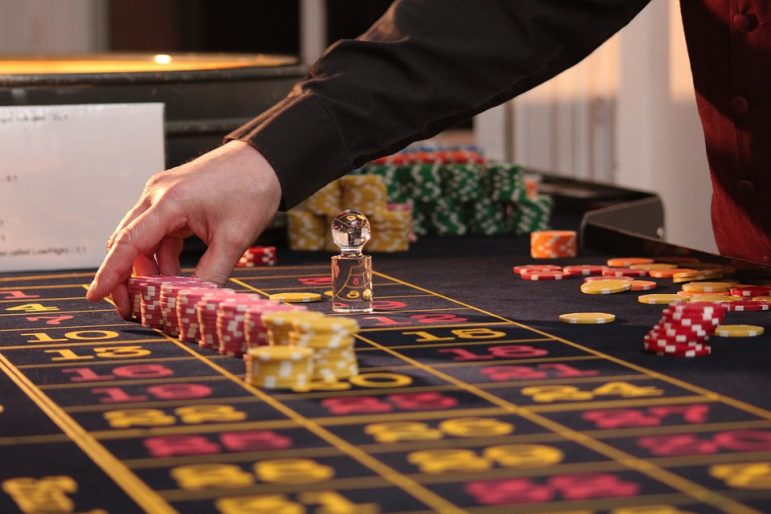
Furthermore, the brain’s reward system is activated during these high-stakes experiences. When players win, their brains release dopamine, a neurotransmitter associated with pleasure and reward. This chemical response can create a powerful urge to gamble more, making it difficult for individuals to resist the temptation to engage in further gambling activities.
The social aspect of gambling
Casino gambling is not just about individual play; it often involves a social environment that can enhance the experience. The presence of others, whether friends or strangers, can create a sense of camaraderie that makes gambling more enjoyable. This social interaction can lead to shared excitement and collective anticipation, further fueling the desire to gamble.
Moreover, casinos frequently promote social events and tournaments, which can attract players seeking not only the thrill of gambling but also the opportunity to connect with others. This social dynamic can increase the time spent in casinos, as players become engaged in the communal atmosphere, often leading to prolonged gambling sessions.
The impact of near misses
Near misses are a significant psychological trigger in gambling behavior. When players come close to winning, their brains can misinterpret this experience as a win, leading to increased motivation to continue playing. The concept of near misses can be particularly potent in slot machines, where players often feel they were just one symbol away from a jackpot.
This phenomenon reinforces the belief that success is achievable, which can lead to an irrational persistence in gambling. Players may convince themselves that they are ‘due’ for a win, causing them to disregard the odds and continue betting despite previous losses. This cognitive distortion can contribute to the development of gambling addiction over time.
The role of marketing and design
The casino environment is deliberately designed to enhance the gambling experience. From the flashing lights to the sounds of winning, every element is meticulously crafted to draw players in and keep them engaged. Marketing strategies often highlight the potential for large payouts, appealing to players’ dreams of financial success.
Additionally, the layout of casinos encourages movement and exploration. By creating a maze-like environment, players are more likely to wander from one game to another, increasing the chances of extended gambling sessions. This strategic design can significantly impact players’ behavior, leading them to spend more time and money in pursuit of excitement.

Conclusion and secure browsing experience
Understanding the psychological triggers behind casino gambling behavior can help individuals make more informed decisions regarding their gambling activities. Knowledge of these triggers can lead to healthier gambling habits and a better awareness of the risks involved. It’s crucial for players to recognize their motivations and the potential for addictive behaviors.
If you encounter any issues while browsing, such as access restrictions, it is essential to know that security measures are in place to protect users. For assistance, you may consider reaching out to the site owner for support. Prioritizing a secure online experience is vital for navigating gambling resources safely.